Signs That Your Brake Pads Need Replacement
When it comes to vehicle safety, few components are as critical as the brake pads. These braking elements are pivotal in ensuring that your vehicle stops efficiently and effectively. With the sheer number of vehicles on the road, understanding the signs indicating whether your brake pads need replacement can save lives and money. In this article, we will explore brake pads, their replacement signs, and how regular maintenance can enhance vehicle performance and safety.
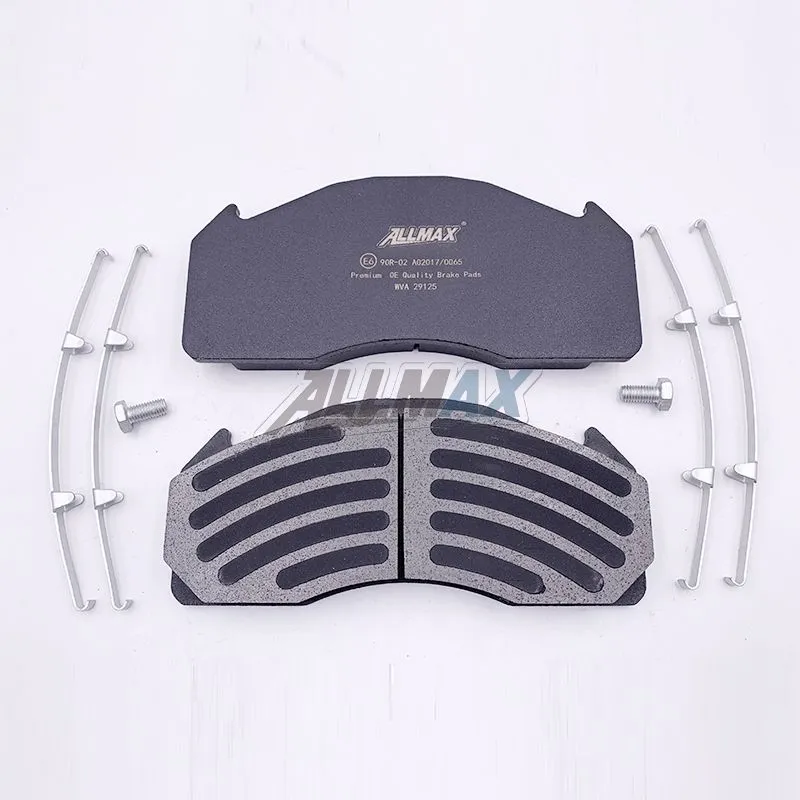
Definition of Brake Pads and Their Replacement Signs
Brake pads are friction material components located within a vehicle's disc brakes, designed to press against brake rotors to slow down or stop the vehicle. There are two primary types of brake pads: organic and metallic. Understanding these elements enables drivers to better gauge when it is essential to replace brake pads.
Industry Term Analysis
Friction Material: The substance used in brake pads to provide the necessary force to slow or stop a vehicle.
Pads Wear Indicator: A feature on brake pads that emits a squealing sound when the pads are worn down to a point that replacement is necessary.
Rotor Damage: A significant issue caused by worn brake pads which can lead to costly repairs if not addressed promptly.
Application Scenarios for Brake Pads
Brake pads are essential for numerous vehicle applications, including:
Passenger Vehicles: Regularly faced with stop-and-go traffic, requiring frequent braking.
Heavy-Duty Trucks: Need to handle heavier loads and endure more stress, demanding more frequent inspections and replacements.
Performance Cars: Require specialized brake pads for heightened sensitivity and efficiency during high-speed operations.
Brief Description of Advantages: Why Is It Important?
Maintaining high-quality brake pads is crucial for several reasons:
Safety: Vehicles with high-quality, properly functioning brake pads reduce stopping distances by up to 20%, ensuring greater safety, making the difference between a close call and an accident.
Cost-Effectiveness: According to the National Highway Traffic Safety Administration (NHTSA), delaying brake pad replacement can lead to rotor damage, which can cost between $400 to $600 to replace, compared to the average $150 for brake pad replacement.
Enhanced Performance: Fresh brake pads provide a more responsive braking experience, significantly impacting vehicle handling, especially in emergency situations.
Signs That Your Brake Pads Need Replacement
Recognizing when your brake pads require replacement can prevent more severe vehicle damage. Here are the primary indicators:
Squeaking or Squealing Noise: This noise generally signals that the pads are worn and the wear indicator is in contact with the rotor.
Grinding Noise: If you hear a grinding sound, it indicates that the pad material is gone, and the metal backing is contacting the rotor, potentially causing damage.
Vibration: If you feel a persistent vibration in the brake pedal, your brake pads may be unevenly worn or deteriorating.
Warning Light: Many modern vehicles have dashboard warning lights indicating brake pad wear or low brake fluid.
To make timely decisions regarding the maintenance of your brake system, familiarize yourself with these signs.
Next Step Guidance: What Should You Do?
If you suspect your brake pads are worn or notice any of the signs mentioned above, consult your vehicle's owner manual or bring your car to a trusted mechanic for a thorough inspection. It’s essential to prioritize brake maintenance to ensure your vehicle remains safe and reliable on the road.
For comprehensive upkeep, consider opting for high-quality options such as ALLMAX brake pads, known for their superior performance and long-lasting durability.


评论
发表评论