What Are the Different Types of Brake Pads?
Brake pads are critical components in vehicle safety and performance, yet they often lack the attention they deserve. With road safety being a paramount concern globally, the emergence of high-quality brake pads has significantly improved stopping power and durability. These components are designed to create friction for effective deceleration when brakes are applied, making them indispensable in protecting lives and ensuring vehicle reliability. In the following sections, we will dive into the different types of brake pads, analyze industry-reported data and pain points, and provide practical insights for consumers and vehicle owners alike.
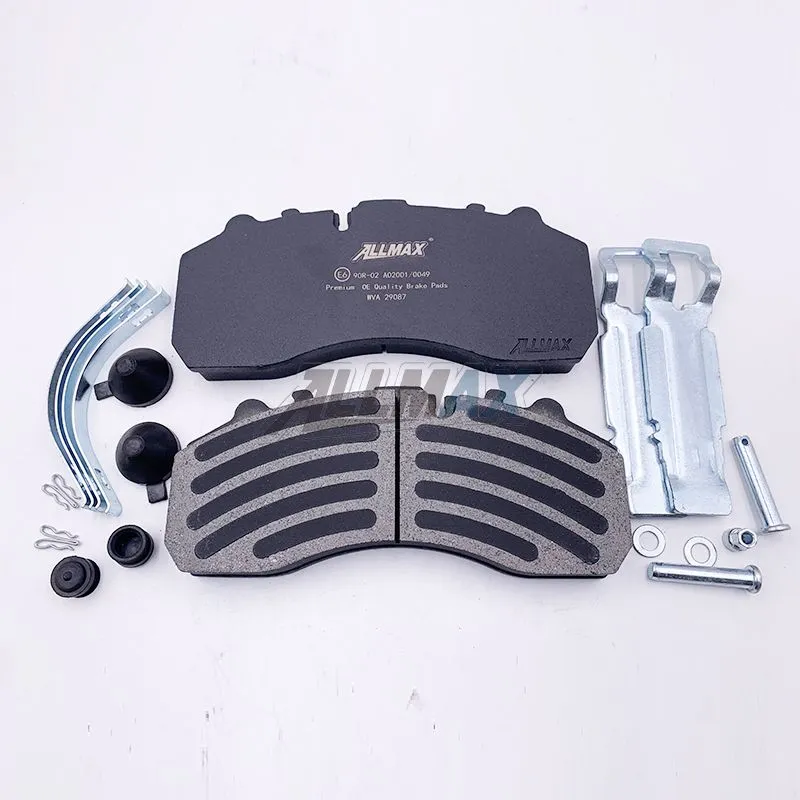
Types of Brake Pads: An Overview
Brake pads can be categorized based on their materials and application. Here are the primary types:
Organic Brake Pads: Made from a mixture of organic fibers, these pads provide smooth braking with minimal noise. They are often softer, which helps reduce wear on rotors. However, they may wear out faster under high-performance conditions.
Semi-Metallic Brake Pads: These pads contain metal shavings mixed with organic materials, providing excellent heat dissipation and strong stopping power. With a measured coefficient of friction of 0.35–0.45, they excel in heavy-duty applications but can produce more noise and dust.
Ceramic Brake Pads: Featuring a formulation that includes ceramic fibers, these pads are designed for quiet operation and long-lasting performance. In tests, they can achieve a lifespan of up to 70,000 miles under normal driving conditions while maintaining effective braking performance.
Understanding brake pad types is essential for ensuring optimal vehicle performance. Each type has unique benefits and drawbacks that can influence your driving experience significantly.
Application Scenarios for Brake Pads
Brake pads are utilized across various vehicles, from standard passenger cars to heavy-duty trucks. Performance vehicles, in particular, benefit from high-quality semi-metallic or ceramic pads that can withstand extreme conditions. According to a report from the Automotive Aftermarket Suppliers Association (AASA), 25% of vehicle owners prioritize brake performance when considering safety features, indicating a growing demand for advanced brake technologies.
In urban environments, where stop-and-go traffic is prevalent, organic brake pads might be favored for their quiet operation. Conversely, for trucks or vehicles used in commercial settings, semi-metallic pads are often preferred due to their durability and effectiveness under heavier loads.
Advantages of Quality Brake Pads
Investing in quality brake pads is critical for several reasons:
Safety: Adequate stopping power is essential, especially in emergency situations. According to a study by the National Highway Traffic Safety Administration (NHTSA), nearly 30% of all accidents are linked to brake failure. Choosing high-quality pads can significantly reduce this risk.
Longevity: High-quality materials can lead to a 30% longer lifespan. For instance, ceramic pads' performance metrics show an impressive durability range, proving they can withstand more significant wear and tear compared to other types.
Cost-Efficient: While premium brake pads might cost more upfront, their longevity and performance can translate to savings. Over time, owners report a reduction in maintenance costs and improved vehicle performance metrics.
Next Steps: Guidance for Consumers
For those interested in upgrading their brake pad systems, it's advisable to consult the user manual specific to your vehicle model. Additionally, brands like ALLMAX offer various options tailored to different driving conditions and preferences—making it simpler to find the right fit for your needs. Don’t hesitate to seek out professional advice or guidance as you consider your options.


评论
发表评论